Manual flushing in hospitals: working out the time it takes
The water and energy that hygiene flushing uses end up on a bill sooner or later. The working time behind it never does. It has no line in the staffing plan and no cost centre, so nobody counts it. As far as hospital management is concerned, that work does not exist, even though your team puts in those hours every week. Yet anyone asking for more staff or more budget needs exactly that figure, and it has to be their own. How much working time does the manual flushing round take in your hospital, and how do you work it out?
The flushing round is on nobody's bill
Staff, water and energy are the direct costs of the flushing round: they come up every week and could be counted. Only water and energy actually are, because they arrive with the utility bills. The hours your team spends at the showers disappear into the general staff costs of the facilities department.
The hidden costs come later, and they are the expensive part. If a sample reaches the technical action value for Legionella, the TrinkwV (German Drinking Water Ordinance) requires a written risk assessment and work on the installation. What that costs a hospital is set out in our worked example for a positive Legionella result.
The flushing round is part of what keeps the water moving before it ever gets that far. Even so, it is the one item nobody puts a number on. And without a number it loses every budget meeting, not because it does not matter, but because there is nothing to argue with.
Why the round comes back every week
Putting a number on it starts with the one part a standard fixes: how often. VDI 6023 counts it as an interruption of operation once no water has been drawn at an outlet for more than three days. Over a week, that comes to 2.33 flushes per unused shower to stay within that limit, every week of the year.
The only fixed figure
A shower nobody uses needs a flush at least every 72 hours
For a hospital, that is the floor. The same standard calls for shorter intervals where there are special requirements, and it names hospitals explicitly. How short it has to be is set by your hygiene plan, and the total rises with it. How long each flush has to run is covered in our article on how long a hygiene flush has to run.
In a hospital, the bed occupancy list will not tell you which showers are affected. Isolation rooms, wards that are temporarily closed, on-call rooms and staff showers can go days without use, and an occupied room is no help either when the patient gets a bed bath. Our page on drinking water hygiene in hospitals covers the critical areas in more detail. No occupancy record shows when water last ran at a given shower. If you cannot be sure, you end up flushing every shower on the list.
Done by hand, the round depends on whoever has time
A flushing round is never done once and for all. It comes back every week, and each time it takes skilled staff from facilities or nursing away from everything else. In a team with vacancies, it competes with a lift that keeps sticking and a fault in the ventilation. It loses, because nobody notices on the day it is skipped.
Then there is the round itself. A flush that has to run its full length feels long when someone is already waiting on the next ward, so the tap gets turned off early. An isolation room usually means gowning up first, so it slides to the end of the list. At weekends and in the holiday season the team is smaller, but the clock keeps running. And someone new to the hospital has no way of knowing which staff shower has gone unused for weeks.
Nor does the paperwork show it later. Anything done by hand sometimes gets skipped, cut short or written up at the end of the shift, and afterwards the list looks just as complete as it does on a good day. The TrinkwV requires the installation to be operated to recognised engineering standards, and the standard behind the 72-hour rule expects every flush to be entered in the operations log, the record kept for the water system. Initials next to a date only prove that someone signed, though. They do not prove that water ran at that shower.
A well-kept drinking water flushing plan sets out who flushes what, and when. It is no help on the day the person responsible is off sick and their cover is needed on another ward. So the round costs you twice: time when it happens, and a gap in the record when it does not.
With automatic flushing, the showers drop out of the round
The duty stays the same when a device runs the water instead of a person. What changes is that nobody has to walk the ward to do it for the showers.
Aqvior's hygiene flush device for surface-mounted shower installations detects when a shower has been sitting idle, flushes it automatically and measures every flush. Every flush is logged, the report arrives automatically and is archived for ten years, and you get an alert if anything looks wrong. For the hygiene committee, that is the real difference: the record is created by water that actually flowed, not by initials added afterwards.
For your team, that means less walking and less pressure. At the showers, nobody has to put their initials to a flush they squeezed in between two other jobs. You remain responsible as the operator, but at the showers that responsibility no longer rests on one person's memory and signature. If anyone asks about a particular shower, the report shows when it was flushed.
Aqvior takes over the flushing at the showers, and the time your team spent there is free for other work. The device fits existing surface-mounted shower mixers, needs no power supply and takes no room out of service. Aqvior flushes in a smart way: in line with the hygiene rules, using only as much water as is needed. So you also save water and energy there.
How to work out the time manual flushing takes
How much working time the showers would free up depends on four things, and only you know three of them:
How many showers are flushed by hand
Count every one on the list, not only the ones you think are due.
How often
As often as your hygiene plan requires. The rule above is the floor.
How long one flush takes, including the record
Turning it on, waiting, turning it off, writing it down.
How far apart everything is
Between rooms, wards and floors.
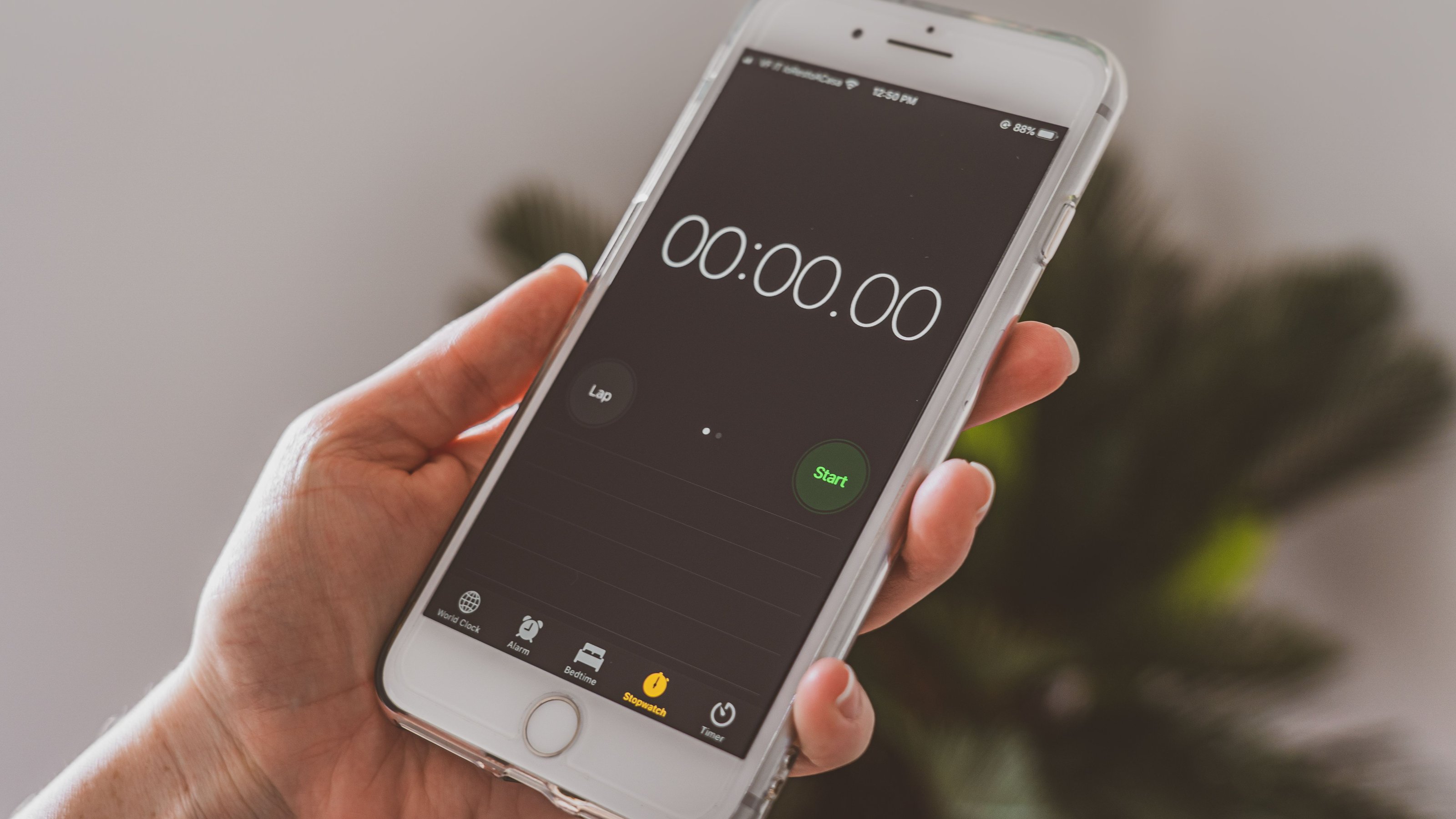
The most reliable way is to measure it yourself. Walk one round on one ward with a stopwatch, from the first step to the last entry, and divide the time by the number of showers flushed. That way the walking is already included.
Even with its default settings, our cost calculator shows how big the figure can get. For a hospital with 200 showers, all flushed by hand, it estimates:
Estimate from the cost calculator
200 showers, flushed by hand
The 2.33 flushes come from the 72-hour rule, not from us. The five minutes per flush, including the record, are our own estimate: the minimum we have heard in our conversations with hospitals. In practice it can be more, and every extra minute counts in full. At ten minutes, working time and staff costs double, and shorter intervals in your hygiene plan push both higher still. In the calculator, under "More assumptions", you can enter your own values, including the hourly wage. There is no separate field for walking, so add it to the time per flush.
What this means for your hospital depends on how many showers you have. Our cost calculator shows you in a few minutes. It also shows what you no longer spend at the showers once they are flushed automatically.
Nobody outside your hospital can tell you how much working time the round takes there. That is why the figure you get is yours: based on your own showers and on the time your team really needs. You can take it into the budget meeting or to the hygiene committee, and the flushing round can get a line of its own.
Frequently Asked Questions
Does the paperwork count as part of the flushing round?
Yes. A flush that is not recorded cannot be proven at an inspection, so writing it down is as much part of the job as turning on the water. When you time a round, stop the clock only once the entry is made. If entries are written up together in the evening, that time counts too.
Should washbasins and toilets go into the same figure?
For the total time across your hospital, yes; for a comparison with automatic flushing at the shower, no. Washbasins, toilets and kitchenettes stay in the round even when the showers are flushed automatically. Count them separately, so the figure for the showers does not look bigger than it is.
Why does the flushing round belong in the staffing plan?
Because otherwise it is carved out of other work, and nobody sees what gets left undone as a result. A round that comes back every week is regular work, not a side task. Once it has its own time in the plan, everyone can see what it takes up, management included.
What happens if a flushing round is missed?
Then the water at showers nobody used may have stood for longer than the 72-hour rule allows, and the standard treats that as an interruption. What has to happen next depends on how long it stood, as with any long period without use. The VDI (Association of German Engineers) sets out the measures by how long the water has stood, from a thorough flush up to follow-up testing.
Sources
- Bundesministerium der Justiz (2023): Section 13 TrinkwV: planning, construction, maintenance and operation of water supply systems (in German)
- Bundesministerium der Justiz (2023): Section 51 TrinkwV: operator duties regarding Legionella (in German)
- VDI (2020): When buildings stand empty for a long time (in German)
Work out the flushing round for your own showers
Aqvior detects standstill, flushes the showers automatically and logs every flush. Our cost calculator shows what that means for your hospital.
Every flush logged · No power supply · Fits existing surface-mounted shower mixers
Stay current without going looking
Once a month: what we have published on drinking water hygiene, and what we are working on at Aqvior.
Thank you. Please confirm your email address.
The content of this article is for general information and does not replace legal, technical, or health-related advice in individual cases. Information on Legionella and associated health risks is general in nature and constitutes neither medical advice nor an assessment of a specific drinking water installation. For implementation in your operation, clarify your specific situation with the responsible Gesundheitsamt (local public health authority). This article contains links to Aqvior products.